
How to Design a Home with Multi-Functional Spaces
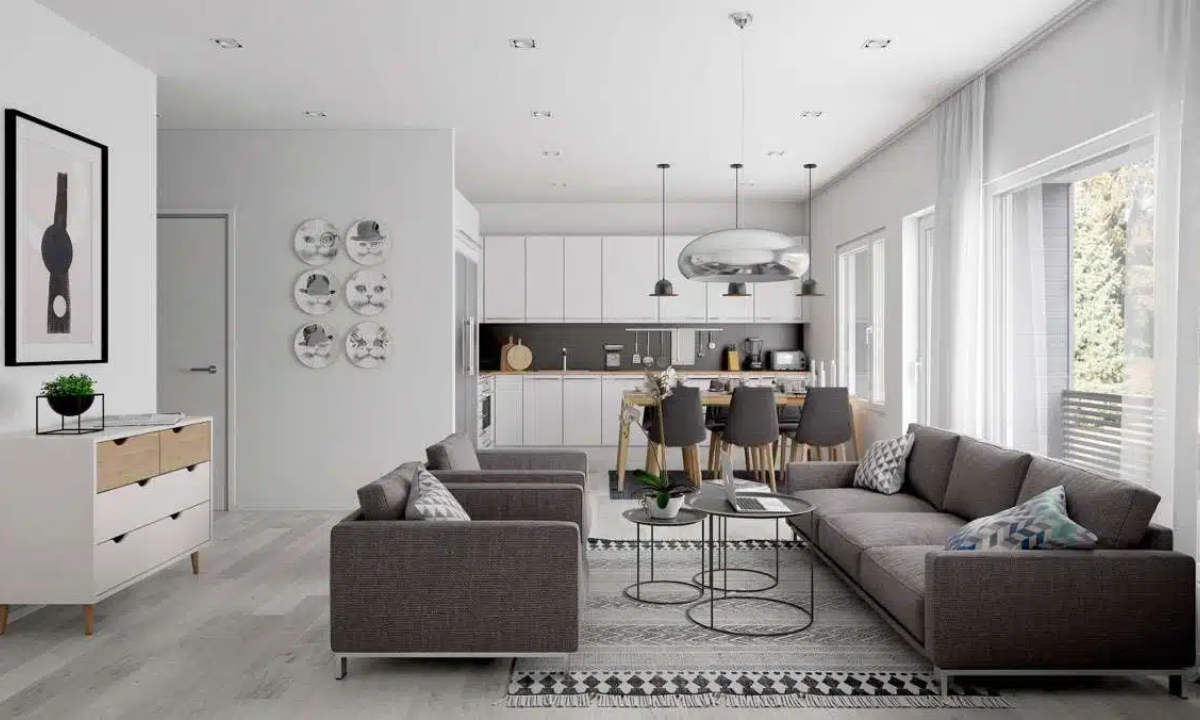
“Why does my living room feel cluttered even when I don’t own much?”
“Can one room really serve multiple purposes without looking messy?”
These are questions I hear all the time from homeowners trying to make the most of their space. Today, multi-functional spaces are no longer a luxury; they are a necessity, especially in urban homes where every square foot matters and lifestyles are constantly evolving. With guidance from experienced home interior designers in Bangalore, you can transform even a compact apartment into a flexible, stylish, and highly efficient living environment that adapts to your daily routine.
But how exactly do you design a home that adapts to your lifestyle without compromising aesthetics, comfort, or practicality? Let’s explore the smartest strategies that can completely change the way you experience your space.
Key Takeaways
- Multi-functional spaces maximise utility without increasing square footage
- The key lies in how you define zones within a single room for clarity and flow
- Smart storage solutions help reduce clutter and improve everyday efficiency
- Flexible furniture allows rooms to transform instantly based on need
- Learning to use vertical space unlocks hidden potential in compact homes
- Expert planning ensures a balance between functionality, comfort, and aesthetics
1. What Are Multi-Functional Spaces and Why Do They Matter?
Multi-functional spaces are thoughtfully designed areas in your home that serve more than one purpose without feeling cramped or chaotic. For example, a living room can double as a workspace during the day and a relaxation zone in the evening, while a bedroom can incorporate a study or reading nook seamlessly.
In today’s urban lifestyle, where property sizes are shrinking and needs are expanding, this approach has become essential rather than optional. Studies suggest that over 65% of modern homeowners prefer flexible layouts, especially with the rise of hybrid work culture, making multifunctional design a practical solution for long-term living.
2. Start with Smart Planning: Define Zones Clearly
One of the most effective ways to design multifunctional spaces is to define zones within a room. Without clear zoning and space planning, a space can quickly feel cluttered and confusing, reducing both its usability and visual appeal.
You don’t always need walls to create separation; subtle design techniques can work wonders. For instance, placing a rug under a seating area instantly distinguishes it from a workspace, while strategic furniture placement can guide movement and purpose.
Practical Ways to Define Zones:
- Use rugs or carpets to visually anchor different areas
- Arrange furniture to create natural boundaries
- Add open shelving or partitions for subtle separation
- Use different lighting styles to highlight each zone
This approach ensures that each part of the room has a clear identity while still maintaining a cohesive overall design.
3. Invest in Flexible Furniture for Maximum Adaptability
When it comes to multifunctional design, flexible furniture is a must-have. These pieces are designed to serve multiple purposes, allowing your home to adapt instantly to your needs without requiring extra space.
Instead of filling your home with single-purpose items, investing in adaptable furniture helps you save space while enhancing convenience. It also adds a modern, innovative touch to your interiors.
Examples of Flexible Furniture:
| Furniture Type | Functionality |
|---|---|
| Sofa-cum-bed | Living room + guest bedroom |
| Foldable dining table | Dining area + open space |
| Wall-mounted desk | Workspace + minimal footprint |
| Storage ottoman | Seating + hidden storage |
Many homeowners rely on recommendations from the best interior designers in Bangalore to choose furniture that balances style, durability, and versatility.
4. Declutter with Smart Storage Solutions
Clutter can instantly ruin the functionality of any space, especially when it needs to serve multiple purposes. That’s why incorporating smart storage solutions is essential for maintaining both order and efficiency.
Instead of relying on bulky storage units, modern design focuses on integrating storage seamlessly into the layout. Hidden compartments, modular units, and dual-purpose furniture can significantly reduce visual clutter while maximising usability.
Smart Storage Ideas:
- Under-bed drawers for seasonal storage
- Built-in wardrobes with modular compartments
- Hidden storage in seating furniture
- Wall niches and recessed shelves
A well-organised home not only looks spacious but also reduces stress and improves daily productivity by making everything easily accessible.
5. Use Vertical Space to Expand Possibilities
Many homeowners overlook the potential of their walls, but designers strongly recommend that you use vertical space to its fullest. By thinking beyond floor space, you can significantly increase storage and functionality without overcrowding your home.
Vertical design is particularly effective in apartments where space is limited. It allows you to store more while keeping the floor area open and uncluttered, creating a sense of openness.
Smart Vertical Design Ideas:
- Floor-to-ceiling storage units
- Wall-mounted desks and shelves
- Hanging cabinets in kitchens
- Loft storage for rarely used items
This approach not only enhances storage but also adds a modern and structured look to your interiors.
6. Create Seamless Transitions Between Functions
A multifunctional home should feel harmonious, not disjointed. Even though a room serves multiple purposes, the transition between these functions should be smooth and visually appealing.
To achieve this, consistency is key. Using a unified colour palette, similar textures, and coordinated materials helps tie the space together. This ensures that your home feels cohesive rather than fragmented.
Additionally, avoid overcrowding any one area. Keeping the design minimal and balanced allows each function to stand out without overwhelming the space.
7. Lighting: The Unsung Hero of Multi-Functional Design
Lighting plays a crucial role in defining how a space is used and perceived. Different activities require different lighting conditions, making it essential to layer your lighting effectively.
For example, a workspace needs bright, focused lighting to improve productivity, while a relaxation zone benefits from softer, ambient lighting. By combining multiple lighting types, you can easily switch the mood and function of a room.
Lighting Tips:
- Use task lighting for work or study areas
- Add ambient lighting for general illumination
- Incorporate accent lighting for décor highlights
- Install dimmers for flexibility
Proper lighting enhances both functionality and aesthetics, making your space more adaptable and inviting.
8. An Example: A 2BHK Transformation
Let’s consider a typical 2BHK apartment where space is limited, but needs are diverse. Initially, the layout may feel cramped due to separate, rigidly defined areas that don’t adapt to changing needs.
With a multifunctional approach, the same space can be completely transformed. The living room can double as a workspace with a foldable desk, while a dining table can be expanded or tucked away as needed. Bedrooms can include study nooks, and vertical storage can free up floor space.
This transformation highlights how thoughtful design can unlock hidden potential without requiring additional square footage or major structural changes.
9. Common Mistakes to Avoid
Even the best design ideas can fail if executed poorly. Many homeowners unknowingly make mistakes that reduce the effectiveness of multifunctional spaces.
Avoid These Pitfalls:
- Overloading the room with too much furniture
- Ignoring the importance of storage planning
- Failing to clearly define zones
- Choosing aesthetics over functionality
- Using inadequate or improper lighting
Being aware of these mistakes can help you create a space that is both practical and visually appealing.
10. When Should You Hire Experts?
While DIY ideas can work to some extent, designing multifunctional spaces often requires professional expertise. Experts like interior designers in Indiranagar understand how to balance functionality, aesthetics, and spatial efficiency.
They can help you optimise layouts, choose the right materials, and create a design that reflects your lifestyle. More importantly, they can prevent costly mistakes and ensure that every inch of your home is used effectively.
Final Thoughts
Designing a home with multi-functional spaces is about more than just saving space; it’s about creating a home that adapts to your lifestyle, supports your daily activities, and enhances your overall living experience. With the right strategies and expert guidance from home interior designers in Bangalore, you can transform your home into a smart, flexible, and beautifully organised space.
If you are ready to elevate your home with thoughtful, modern design solutions, Zinoti can help you bring your vision to life with precision and creativity.
FAQs
1. What are multi-functional spaces in a home?
Multi-functional spaces are thoughtfully designed areas that serve more than one purpose without compromising comfort or aesthetics. For example, a living room can double as a workspace or a guest bedroom with the right furniture and layout. These spaces focus on adaptability, helping homeowners make the most of available space while maintaining a clean and organised look.
2. Are multifunctional spaces suitable for small homes?
Yes, multifunctional spaces are especially beneficial for small homes where space is limited and needs are diverse. By combining multiple uses within a single area, homeowners can avoid overcrowding and improve functionality. Smart layouts, compact furniture, and efficient storage solutions ensure that even small spaces feel open, practical, and comfortable for everyday living.
3. What is the key to designing multifunctional spaces?
The key lies in creating a balance between functionality and design through proper zoning, smart storage, and adaptable furniture. Clearly defining areas within a room helps maintain organisation, while storage solutions reduce clutter. Flexible furniture allows spaces to transform easily, ensuring that each area serves its purpose without compromising style or usability.
4. Can multifunctional spaces look stylish?
Absolutely, multifunctional spaces can be both highly functional and visually appealing when designed thoughtfully. By maintaining a cohesive colour palette, using modern furniture, and incorporating smart layouts, you can achieve a clean and elegant look. The right combination of textures, lighting, and décor elements ensures that practicality never comes at the cost of style.