
Smart Space Planning Ideas for 2BHK and 3BHK Apartments
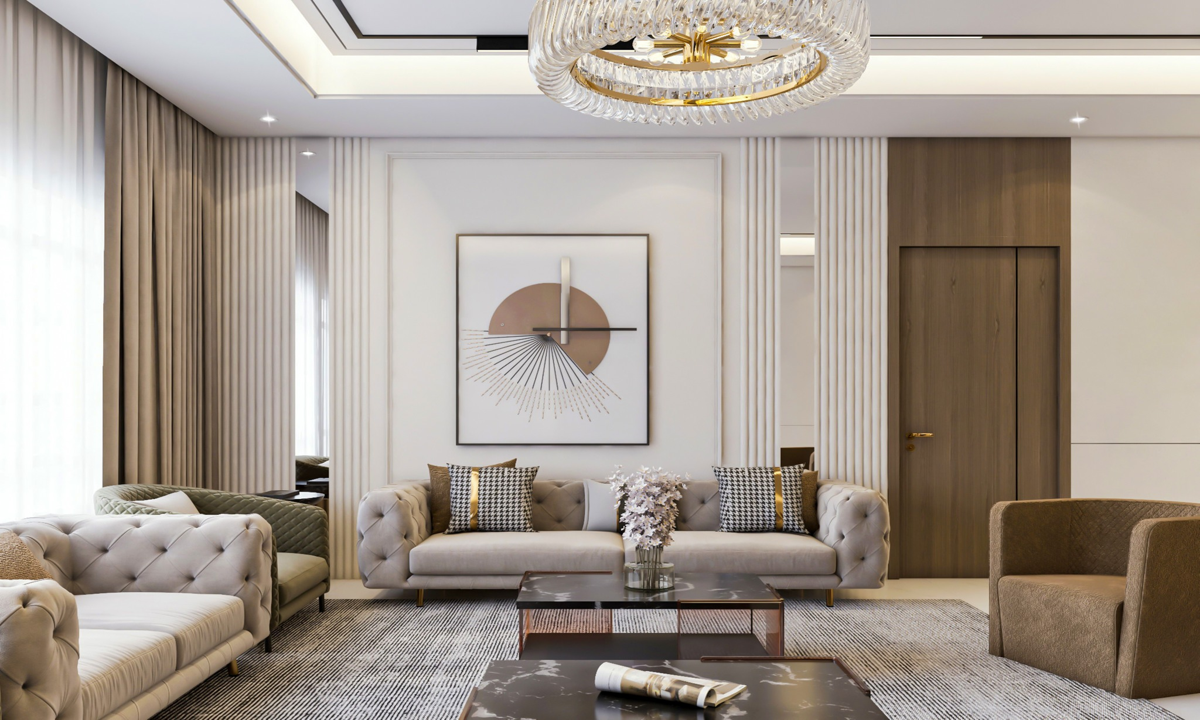
“Why does my home feel cramped even though it’s spacious on paper?”
“Why do I keep running out of storage no matter how much I declutter?”
If these questions sound familiar, you are not alone. In today’s urban lifestyle, space planning plays a crucial role in turning a house into a comfortable, functional home.
It’s not just about arranging furniture; it’s about creating a flow that supports your daily life while making your home feel visually open and inviting. Even the best interior designers in Bangalore believe that a well-planned layout can outperform a larger but poorly designed space.
So, what if the real problem isn’t your home size, but how you are using it?
Key Takeaways
- Smart layouts can improve usable space by up to 30%, even in smaller homes
- Multi-functional furniture helps reduce clutter and increase flexibility
- Zoning creates visual separation without needing extra walls
- Storage planning prevents long-term space issues
- Lighting and colours can visually expand your home
- Expert help from Apartments Interior Designers in Bangalore ensures optimised layouts
Why Space Planning Matters in Modern Homes
Effective space planning in interior design is the foundation of a well-functioning home. It focuses on how people move through spaces, how furniture interacts, and how every corner serves a purpose without feeling overcrowded. A good plan ensures that your home supports your lifestyle rather than restricting it.
In fast-growing cities like Bangalore, apartments are becoming more compact, making space planning for homes more critical than ever. Without proper planning, even a 3BHK can feel cluttered, while a well-designed 2BHK can feel spacious and luxurious. The difference lies in how intelligently the space is utilised.
Smart Space Planning Ideas for 2BHK Apartments
A 2BHK apartment requires thoughtful design choices to balance comfort and functionality. Since space is limited, every element must serve more than one purpose while maintaining visual clarity.
1. Open Layout Living Areas
An open-plan layout can completely transform how your home feels. By merging the living and dining areas, you eliminate unnecessary walls that restrict movement and light flow. This not only improves ventilation but also makes the space feel larger and more connected.
To enhance space planning in the living room, use rugs, lighting, or furniture placement to subtly define zones. For example, a sofa can act as a divider between the living and dining areas, maintaining openness while creating structure.
2. Multi-Functional Furniture is a Game-Changer
In compact homes, furniture should do more than just look good; it should work harder for you. Multi-functional pieces help you save space without compromising on usability or style.
| Furniture Type | Functionality Benefit |
|---|---|
| Sofa-cum-bed | Doubles as a guest sleeping space |
| Foldable dining table | Expands only when needed |
| Storage ottomans | Hidden storage + extra seating |
These solutions are essential for practical space planning for the home, especially when accommodating guests or managing limited storage.
3. Vertical Storage Solutions
When floor space is limited, vertical storage becomes your best friend. Instead of spreading storage across the room, you can build upwards to free up movement space.
Floor-to-ceiling wardrobes, tall cabinets, and wall-mounted shelves not only increase storage capacity but also create a clean, uncluttered look. This approach ensures that your home feels organised without appearing crowded.
4. Compact Kitchen Optimisation
A well-planned kitchen can significantly improve your daily routine. Efficient space planning in kitchen design ensures that everything is within reach, reducing unnecessary movement and saving time.
Focus on the work triangle, placing the sink, stove, and refrigerator within easy access. Additionally, use pull-out drawers, corner units, and overhead cabinets to maximise storage without compromising accessibility.
5. Bedroom Minimalism
Bedrooms should feel calm and restful, not cluttered and overwhelming. That’s why minimalism plays a key role in space planning a bedroom.
Choose beds with built-in storage to eliminate the need for extra cabinets. Replace bulky furniture with sleek, functional pieces, and use wall-mounted lighting to free up bedside space. This creates a serene environment that promotes relaxation.
Smart Space Planning Ideas for 3BHK Apartments
While 3BHK apartments offer more space, they also require better planning to avoid underutilised or cluttered areas. The goal here is to create balance, functionality, and flexibility.
1. Define Functional Zones Clearly
Unlike smaller homes, 3BHK apartments allow you to create distinct zones for different activities. This improves organisation and ensures that each space serves a clear purpose.
For instance, you can have a dedicated workspace, a relaxation corner, and a formal dining area. This type of zoning enhances both productivity and comfort while maintaining a structured layout.
2. Create a Multi-Use Room
One of the biggest advantages of a 3BHK is the ability to experiment with multifunctional spaces. Instead of dedicating a room to a single purpose, you can design it to adapt to different needs.
A guest room can double as a home office, or a spare bedroom can become a hobby or reading space. This flexibility ensures that no room goes unused, making your home more efficient.
3. Smart Wardrobe Planning
Wardrobes often take up significant space, so designing them efficiently is crucial. Poorly planned wardrobes can disrupt room flow and reduce usable space.
Opt for sliding doors to save space and add internal organisers to improve functionality. Including loft storage helps store seasonal items, keeping your everyday space clutter-free and organised.
4. Enhance Living Room Layout
In larger apartments, it’s easy to overfill the living room with furniture. However, this can make the space feel heavy and less inviting.
For better space planning in the living room, focus on fewer, high-impact pieces. A well-placed sectional sofa, a statement coffee table, and balanced decor can create a sophisticated and spacious look.
5. Kitchen Zoning for Efficiency
Even in bigger homes, kitchens can become chaotic without proper planning. Dividing the kitchen into zones ensures a smooth workflow and better organisation.
Separate areas for cooking, preparation, and cleaning help reduce clutter and improve efficiency. Adding an island counter, if space permits, can also provide additional storage and workspace.
Common Space Planning Mistakes to Avoid
Many homeowners unknowingly make mistakes that affect both functionality and aesthetics. These issues can make even well-designed homes feel uncomfortable.
Common mistakes include overcrowding furniture, ignoring natural light, and neglecting storage planning. Additionally, failing to maintain clear pathways can disrupt movement and make spaces feel cramped.
Being mindful of these factors can significantly improve your home’s usability and overall experience.
The Role of Lighting and Colors
Lighting and color choices have a powerful impact on how space is perceived. Lighter shades reflect more light, making rooms feel open and airy.
Using neutral tones for walls, adding mirrors, and incorporating layered lighting can visually expand your home. These techniques are essential elements of effective space planning in interior design, helping you achieve both style and functionality.
Quick Tips for Better Space Planning
- Maintain at least 3 feet of walking space for easy movement
- Use mirrors to create depth and reflect natural light
- Invest in space-saving furniture for a better fit and utility
- Declutter regularly to maintain openness
- Consult luxury interior designers in Bangalore for premium, tailored solutions
When Should You Hire Professionals?
If you find it challenging to optimise your layout or balance aesthetics with functionality, hiring professionals can be a smart investment. Experienced apartments interior designers in Bangalore bring expertise and creativity to the table.
They can analyse your space, suggest innovative solutions, and ensure that every inch is used effectively. This not only saves time but also prevents costly design mistakes in the long run.
Final Thoughts
A well-designed home is not defined by its size but by how effectively it is planned. With the right space planning for the home, even compact apartments can feel spacious, organised, and luxurious. The key lies in making intentional design choices that balance functionality and style.
If you want a seamless transformation, working with the best interior designers in Bangalore can help you unlock your home’s full potential. For homeowners seeking thoughtful design and premium execution, Zinoti offers solutions that combine creativity, comfort, and smart planning.
FAQs
1. What is space planning in interior design?
Space planning in interior design is the thoughtful arrangement of furniture, layouts, and functional zones to create a balanced and efficient living environment. It focuses on how people move within a space, ensuring comfort, accessibility, and visual harmony. The goal is to maximise usability while maintaining an aesthetically pleasing and clutter-free home.
2. How can I improve space planning in a small apartment?
Improving space planning in a small apartment involves making smart, practical choices that enhance functionality. Use multi-functional furniture like sofa-cum-beds, opt for vertical storage solutions, and maintain open layouts to avoid visual clutter. Additionally, choose light colours and mirrors to create a sense of openness while ensuring every element serves a purpose.
3. Is space planning different for 2BHK and 3BHK?
Yes, space planning differs based on the size and layout of the home. In a 2BHK, the focus is on maximising limited space through compact furniture and multi-use areas. In contrast, a 3BHK allows for better zoning, enabling dedicated spaces for work, relaxation, and storage while maintaining a balanced and organised layout.
4. Do I need a professional interior designer?
Hiring a professional interior designer is not mandatory, but it can significantly improve the outcome of your space planning. Designers bring expertise in layout optimisation, storage solutions, and aesthetics, helping you avoid costly mistakes. They also provide customised designs tailored to your lifestyle, ensuring your home is both functional and visually appealing.