

Importance Of Space Planning In Interior Design
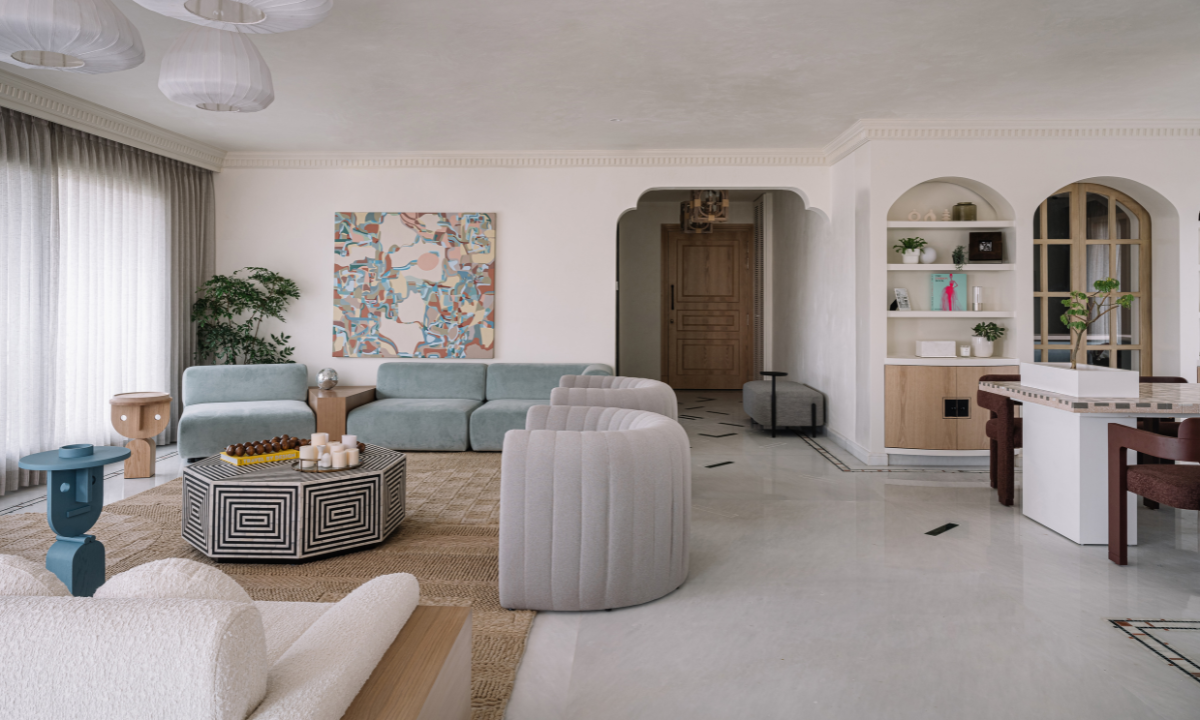
Have you ever walked into a beautifully decorated room and felt something was just… off? The furniture looked stunning, and the colors were perfect, yet the space felt cramped, awkward, or hard to move through. Chances are, what was missing wasn’t better decor. It was smarter space planning.
Space planning in interior design is the unsung hero of every gorgeous, functional home, and it’s the very first thing the best home interior designers in Bangalore prioritize before choosing a single color or piece of furniture. It’s the invisible framework that makes a small bedroom feel expansive, a chaotic kitchen feel effortlessly organized, and a living room feel warm and welcoming.
Whether you’re redesigning your entire home or refreshing a single room, understanding space planning can completely transform the way you live. Let’s dive deep into why space planning matters and how getting it right can make all the difference.
What Is Space Planning?
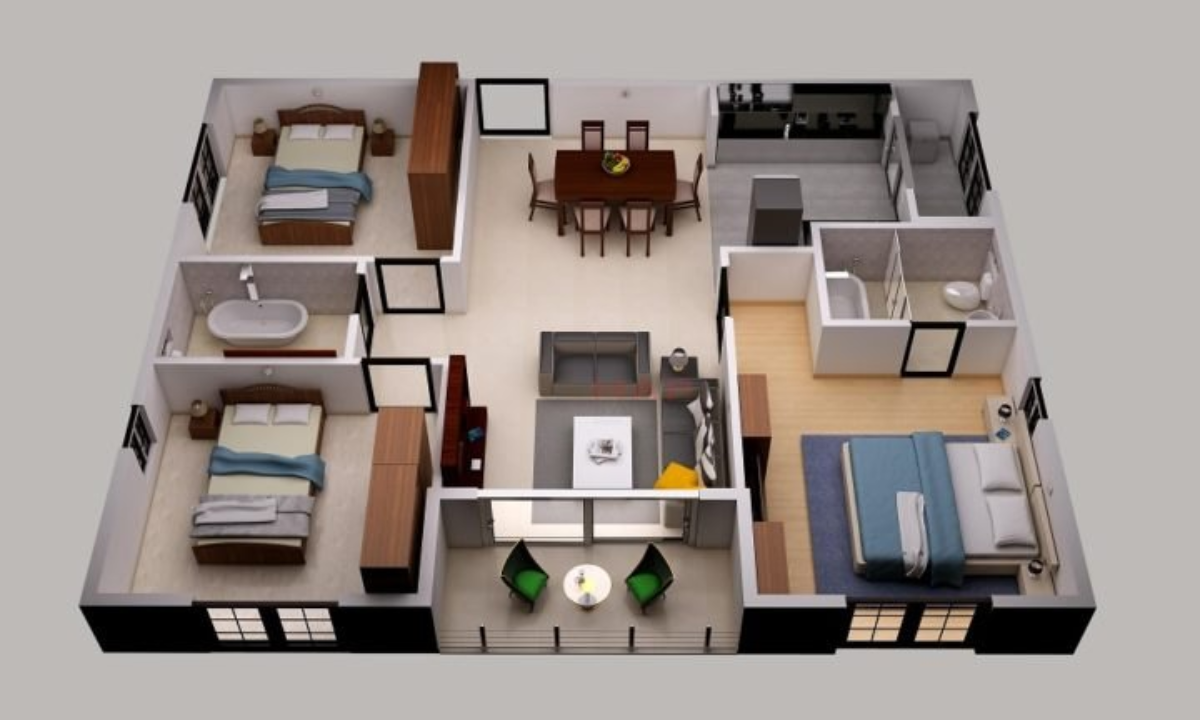
So, what exactly does space planning mean in the context of interiors? Simply put, space planning is the process of organizing furniture, pathways, functional zones, and architectural elements within a given area to maximize both usability and aesthetic appeal.
Think of it as the architectural blueprint for your lifestyle. It answers critical questions like:
- How will people move through this room?
- Where should seating be placed for conversation and comfort?
- How much open floor space creates a sense of freedom versus feeling empty?
Space planning interiors is not just about fitting furniture into a room; it’s about creating an experience. Done right, it elevates every square foot of your home into a purposeful, beautiful living space.
5 Powerful Reasons Space Planning Is Non-Negotiable in Interior Design
1. It Maximizes Every Square Foot You Own
In cities like Bangalore, where real estate comes at a premium cost, wasting even a single square foot is a costly mistake. Effective space planning for the home ensures that every corner serves a purpose, whether it’s clever storage beneath a staircase or a reading nook carved from an unused wall.
Studies suggest that well-planned interiors can make a small room feel up to 30% larger without any structural changes. That’s the power of smart spatial thinking.
2. It Creates Natural, Effortless Flow
Great space planning living room designs don’t just look good; they feel good to move through. Traffic flow is a critical component; poorly placed furniture forces people to squeeze past sofas and stumble around coffee tables.
The golden rule? Maintain a clear pathway of at least 36 inches between furniture pieces for comfortable movement. Your home should feel like a graceful dance, not an obstacle course.
3. It Defines Functional Zones Without Walls
Open-plan homes are wildly popular, but without thoughtful space planning, an open floor plan can feel like one giant, confusing room. Space planning interiors uses furniture arrangement, rugs, lighting, and visual cues to define distinct zones: a dining area, a living space, and a home office, all within the same open room.
This zoning creates psychological comfort. People naturally feel more at ease when spaces have a clear sense of purpose.
4. It Directly Impacts Your Daily Mood and Productivity
Here’s something surprising: the layout of your home has a measurable impact on your mental well-being. Research in environmental psychology confirms that cluttered, poorly organized spaces increase stress hormones and reduce cognitive performance.
Conversely, a thoughtfully planned bedroom, with optimized furniture placement, strategic lighting, and serene flow, can dramatically improve sleep quality and morning energy levels.
5. It Saves You Serious Money in the Long Run
Impulsive furniture purchases without prior space planning almost always lead to regret, pieces that don’t fit, rooms that feel imbalanced, and costly returns or replacements. Strategic space planning means you buy intentionally, invest wisely, and avoid expensive do-overs.
Room-by-Room Space Planning
Functional Kitchen: Where Function Meets Beauty
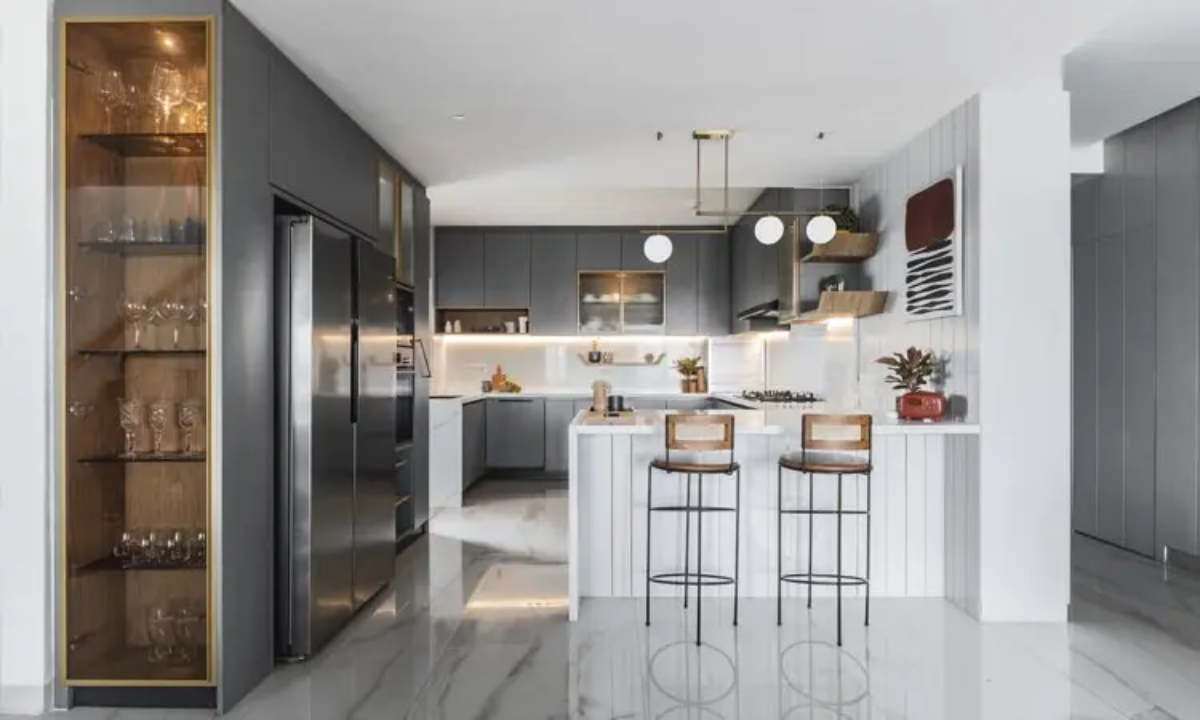
The kitchen is the hardest-working room in your home. Effective space planning kitchen layouts respect the work triangle, the relationship between the refrigerator, the stove, and the sink. Keeping these three points within a 4–9 foot range reduces unnecessary steps and makes cooking genuinely enjoyable.
Also consider: counter space, storage accessibility, and the natural traffic path from the kitchen to the dining area. These details make the difference between a highly functional kitchen you love and one you merely tolerate.
Living Room: The Heart of Your Home
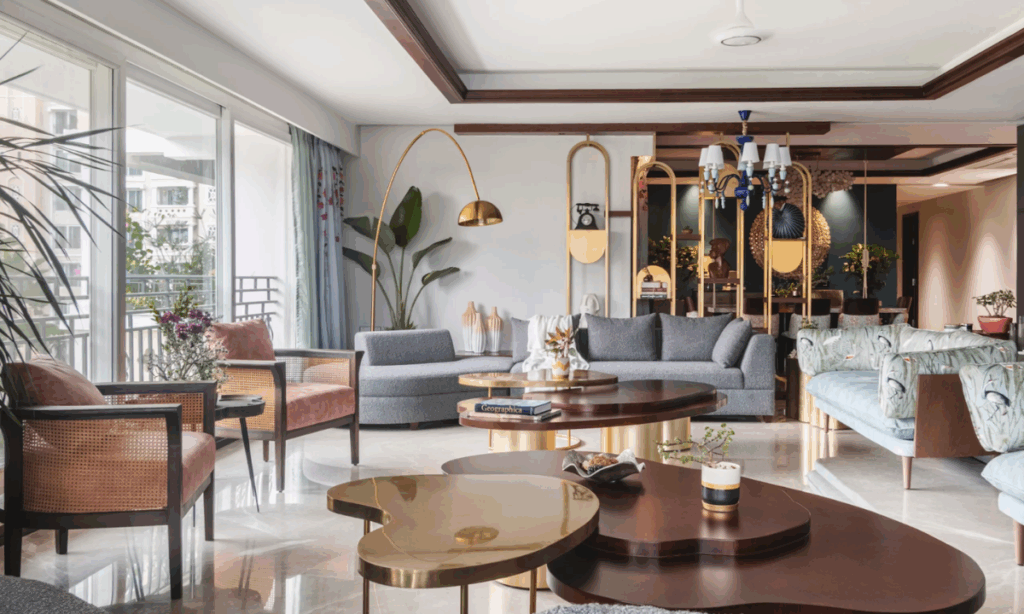
Your living room is where life truly happens. When space planning a living room design, always start with your largest furniture piece, typically the sofa, and build outward. Avoid pushing all furniture against the walls (a very common mistake!). Instead, float furniture toward the centre to create intimate, conversation-friendly clusters.
Pro tip: Leave at least 18 inches between a sofa and a coffee table for comfortable reach and legibility of movement in the living room.
Bedroom: Your Personal Sanctuary
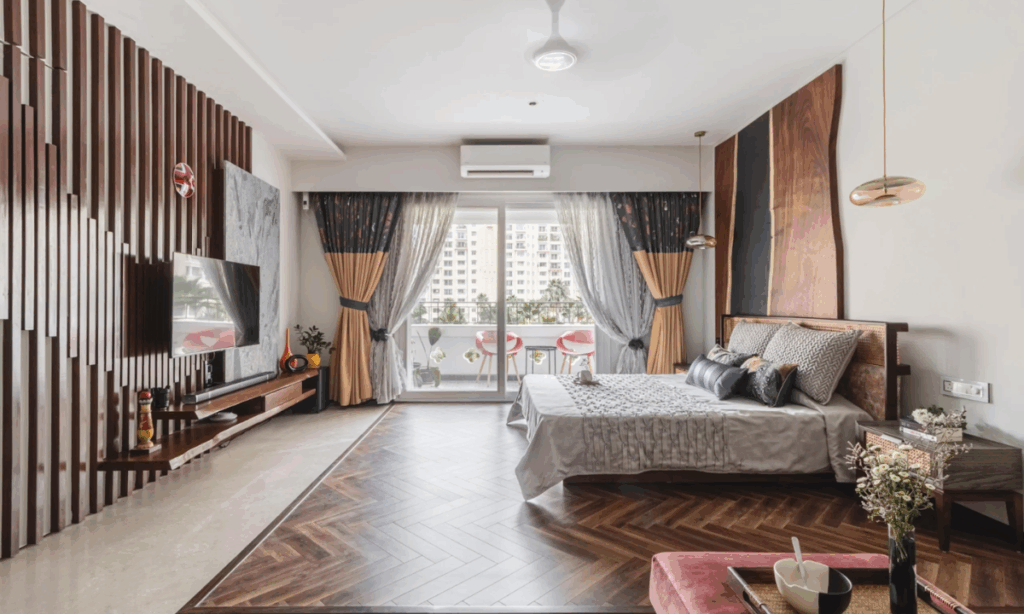
A bedroom should feel like a retreat. The bed is your anchor piece, ideally positioned with clear access on both sides (at least 24 inches) and away from direct door or window drafts. Beyond the bed, smart space planning bedroom design incorporates sufficient storage to eliminate clutter, which is absolutely critical for relaxation in a bedroom.
How the Best Interior Designers in Bangalore Approach Space Planning
The most skilled interior designers in Bangalore don’t just follow trends; they listen. They understand that a young professional’s studio apartment has radically different space planning needs than a multigenerational family home.
Top designers use tools like 2D floor plans, 3D renders, and virtual walkthroughs to help clients see their space before a single piece of furniture is moved. This eliminates guesswork and gives homeowners genuine confidence in every decision.
If you are planning a home renovation or new interior project, partnering with expert home interior designers in Bangalore is quite possibly the smartest investment you can make.
Final Thoughts
Space planning in interior design is not a luxury; it’s a necessity. It’s the difference between a home that merely looks good in photos and one that genuinely enriches your daily life. From the space planning kitchen that makes cooking a joy, to the space planning bedroom that guarantees restful sleep, to the space planning living room where your family naturally gathers, every great interior begins with a great plan.
Stop guessing. Start planning. And if you are ready to create a home that truly works for you, reach out to Zinoti, the finest interior designers in Bangalore today. Your dream home isn’t just possible; with the right space planning, it’s inevitable.
Frequently Asked Questions
Q: Do I need a professional interior designer for space planning?
While DIY tools exist, working with experienced home interior designers in Bangalore ensures that space planning is tailored to your specific lifestyle, architectural constraints, and aesthetic preferences, saving you time, money, and frustration.
Q: How do I start space planning for a small home?
Start by measuring every room accurately. Then prioritize multi-functional furniture (beds with storage and extendable dining tables), define clear zones, and keep traffic pathways free. Less is genuinely more in compact spaces.
Q: Can space planning improve a rental apartment?
Absolutely! You don’t need to knock down walls to benefit from smart space planning. Furniture arrangement, strategic lighting, and well-placed rugs can completely reimagine even a modest rental apartment.
Q: How long does space planning typically take?
For a single room, a professional space planning session can take anywhere from a few hours to a couple of days, depending on complexity. Full-home planning typically takes 1–2 weeks with a design team.
Q: What’s the biggest space planning mistake homeowners make?
Buying furniture before planning. Always plan your layout first, then shop. This single habit change prevents the majority of costly interior design mistakes.